

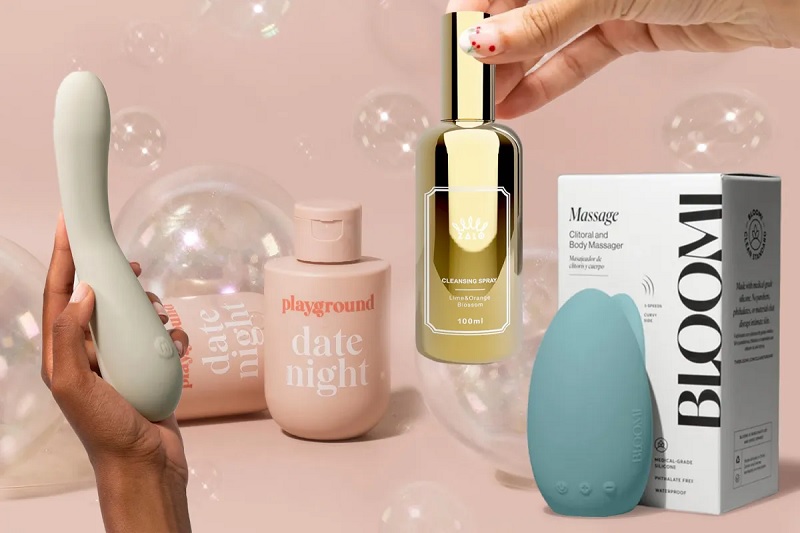
For decades, the mainstream narrative surrounding aging and intimacy has been dominated by a quiet, unspoken assumption that sexual desire naturally fades into obscurity past a certain age. A silent revolution, however, is rewriting this outdated script. Today’s older adults are not just maintaining their sex lives; they are actively investing in them. The sexual wellness industry, once heavily skewed toward twenty-somethings, is experiencing a massive surge in consumers over the age of sixty. This demographic is embracing adult products not as a taboo indulgence, but as an essential component of holistic health, relationship maintenance, and personal well-being.
The Cultural Shift: Leaving the Stigma Behind
To understand this boom, it is necessary to look at the generational context. Baby Boomers and older Generation Xers came of age during the sexual revolution of the 1960s and 1970s. They challenged restrictive cultural norms in their youth, and they are challenging the stereotypes of aging now. They simply refuse to accept a sexless retirement as an inevitability.
The stigma that once shrouded adult products is rapidly evaporating. What used to require a discreet, often uncomfortable trip to a dimly lit store on the edge of town can now be purchased alongside organic vitamins and premium skincare in beautifully curated online boutiques. The industry’s deliberate rebranding from “sex toys” to “sexual wellness” has profoundly shifted the public conversation. Older adults are recognizing that sexual health is intrinsically linked to physical and mental vitality. They are discussing these products with their partners, their peers, and increasingly, their healthcare providers with a refreshing level of candor.
Physical Realities and Practical Solutions
Aging brings undeniable physiological changes. Bodies evolve, hormone levels shift, and the mechanics of intimacy naturally require adaptation. Rather than viewing these changes as the end of their sexual journeys, older adults are utilizing wellness products as highly effective, practical bridges over these biological hurdles.
Navigating Menopause and Hormonal Changes
For women, the transition through menopause brings a significant drop in estrogen, which often leads to physical discomfort during intimacy. Symptoms like vaginal dryness and the loss of tissue elasticity can turn a previously enjoyable experience into a painful one. The modern wellness market has responded with sophisticated, targeted solutions.
High-grade, hyaluronic acid-infused lubricants and daily vaginal moisturizers are now staple items on many nightstands, providing necessary hydration that the body no longer produces in abundance. In addition, tools such as pelvic floor trainers and thoughtfully designed dilators are regularly recommended by pelvic floor physical therapists to maintain muscle tone and flexibility. Vibrating devices are also being utilized beyond their traditional use for climax; they are highly effective at increasing localized blood flow, which naturally encourages cellular regeneration and natural lubrication, actively counteracting the effects of atrophy.
Overcoming Erectile Dysfunction and Prostate Health
Men face their own set of age-related changes, most notably erectile dysfunction and shifts in prostate health. The historical shame surrounding male sexual aids is dissolving as older men seek out practical, non-pharmaceutical solutions that allow them to maintain their vitality.
Constriction rings and vacuum devices offer reliable, body-safe methods to maintain intimacy without relying solely on prescription medications, which often come with systemic side effects or interact negatively with other daily prescriptions. Additionally, prostate massagers are gaining significant traction. While they offer distinct pleasure, they are increasingly sought after for their reported benefits in alleviating symptoms of enlarged prostates and improving overall pelvic blood flow. By framing these items as health-promoting tools, older men are bypassing the embarrassment and embracing their utility.
Joint Pain, Mobility, and Ergonomic Design
Perhaps the most fascinating evolution in the market is the rise of ergonomic accessibility. Conditions like osteoarthritis, carpal tunnel syndrome, and general joint stiffness can make holding or operating traditional adult products difficult or outright painful.
Recognizing this barrier, manufacturers are prioritizing accessible, age-agnostic design. Modern devices feature lightweight materials, elongated handles for extended reach, and textured grips that require minimal hand strength to hold securely. Intuitive controls, large buttons, and even remote-controlled or smartphone-enabled devices allow users to focus entirely on the experience rather than wrestling with the mechanics of the product itself. This thoughtful engineering ensures that physical limitations do not equate to a loss of pleasure.
The Mental and Emotional Benefits of Continued Intimacy
The embrace of sexual wellness products extends far beyond physical mechanics; it is deeply rooted in emotional and psychological well-being. Human beings never outgrow the fundamental need for touch, pleasure, and intimate connection.
Regular sexual activity, whether solo or partnered, triggers a cascade of powerful neurochemicals in the brain, including oxytocin, dopamine, and endorphins. These hormones act as natural painkillers, stress reducers, and mood elevators. For older adults, who may be navigating the emotional complexities of retirement, empty nesting, health anxieties, or the loss of a spouse, this neurochemical boost is invaluable for maintaining mental health.
Furthermore, adult products are helping long-term couples rediscover each other. Decades into a marriage or partnership, routines can easily become predictable and stagnant. Introducing a wellness product into the bedroom serves as a powerful catalyst for communication. It requires partners to articulate their current desires, boundaries, and physical needs, which almost certainly have evolved over the years. This required vulnerability fosters a renewed sense of emotional closeness. For those who are single or widowed, these products offer a safe, empowering avenue for self-exploration and self-care, proving that pleasure is a deeply personal right that does not require a partner to be valid or fulfilling.
How the Wellness Industry is Adapting
The business landscape is finally catching up to this demographic reality. For years, the marketing of adult products was exclusively geared toward youth, utilizing hyper-sexualized imagery that alienated older consumers. Today, the most successful and forward-thinking brands are adopting an entirely different approach. Their marketing campaigns feature models with silver hair, visible wrinkles, and natural bodies, accurately reflecting the consumers who are actually driving their revenue.
The aesthetic of the products themselves has also matured significantly. Gone are the garish neon colors and purely anatomical shapes of the past. The new standard features medical-grade silicone, whisper-quiet motors, and sculptural designs that look more like high-end beauty tools or modern art than traditional adult toys. This aesthetic elevation completely removes the embarrassment factor. Older adults want products that align with their sophisticated tastes and curated lifestyles, and the industry is finally delivering on that demand.
Moreover, the integration of sexual wellness into mainstream medical discourse has permanently legitimized these products. When gynecologists, urologists, and general practitioners actively suggest a vibrating device or a specific premium lubricant to improve a patient’s quality of life, it completely strips away the taboo, framing the purchase as a responsible health decision.
A New Era of Exploration
The sunset years are no longer synonymous with the twilight of intimacy. By embracing sexual wellness products, older adults are asserting their right to pleasure, connection, and bodily autonomy. They are proving that sexual health is a lifelong pursuit, completely unbothered by the passing of the years.
This demographic shift is forcing society to broaden its understanding of what aging actually looks like. It is not a process of shutting down or fading away, but rather an opportunity for adaptation, exploration, and a deeper, more intentional relationship with one’s own body. Ageless intimacy is not just a marketing buzzword; it is a lived reality for millions who understand that the capacity for joy, discovery, and physical connection has no expiration date.