

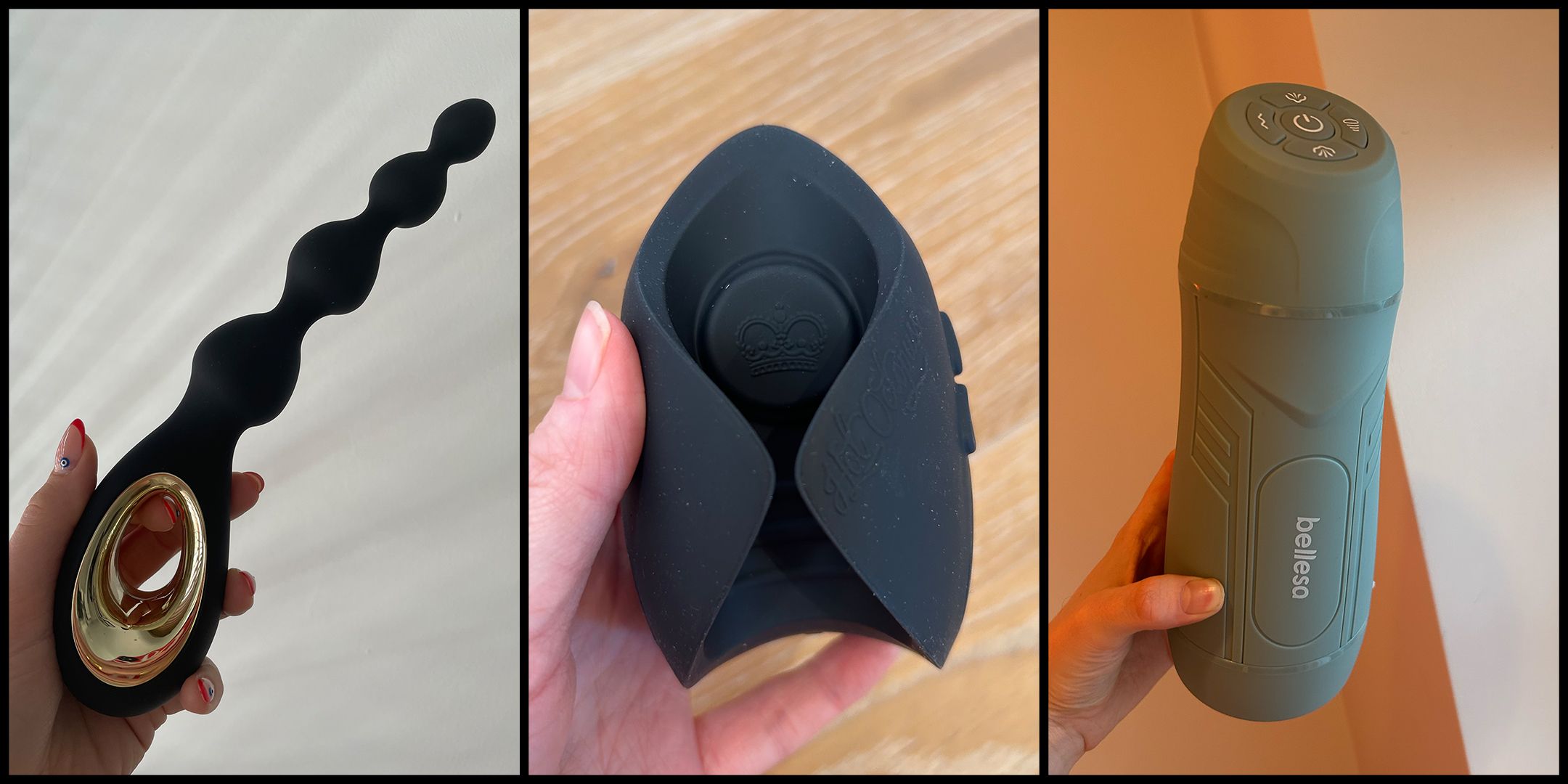
Emotional trauma can leave deep, lasting marks on a person’s mental and physical health. Many people seek therapy, meditation, or medication to cope, but an often overlooked tool in the healing process is the use of adult toys and intimate devices. While some may immediately associate toys with pleasure alone, research and clinical experiences suggest that they can play a significant role in emotional recovery, self-exploration, and the reclamation of personal empowerment.
Understanding Emotional Trauma
Emotional trauma arises from experiences that overwhelm a person’s ability to cope, leaving them feeling unsafe, powerless, or disconnected. This could include abuse, neglect, loss, or deeply stressful events. Trauma can manifest as:
-
Anxiety and depression
-
Difficulty trusting oneself or others
-
Physical tension or chronic pain
-
Difficulty forming intimate relationships
Healing from trauma involves more than just addressing symptoms; it requires a reconnection with the body, emotions, and personal agency. This is where the use of toys, intimacy devices, and erotic self-care can become powerful tools.
How Toys Facilitate Emotional Healing
Reclaiming the Body
Trauma often leads to disconnection from one’s own body. Survivors may feel numb, ashamed, or alienated from their physical selves. Adult toys allow individuals to:
-
Reconnect physically: Using a toy encourages paying attention to bodily sensations, helping rebuild a sense of presence and embodiment.
-
Explore boundaries safely: Toys offer control over stimulation and touch, empowering survivors to define comfort levels without external pressures.
-
Rediscover pleasure: Experiencing pleasure, even in a private setting, can release tension, trigger endorphins, and restore positive associations with one’s own body.
Promoting Emotional Release
Pleasure is inherently tied to emotional processing. Toys can:
-
Trigger stress reduction: Orgasms release oxytocin and dopamine, hormones associated with relaxation and positive emotions.
-
Allow safe expression: For survivors who struggle with emotional intimacy, toys create a safe environment to explore vulnerability without judgment.
-
Break negative associations: Trauma can make intimate touch feel unsafe or shameful; toys provide a controlled way to rebuild trust in oneself.
Enhancing Self-Empowerment
Trauma often leaves individuals feeling powerless. Engaging with toys can restore a sense of agency:
-
Choice and control: Selecting a toy, exploring settings, and dictating the pace of pleasure reinforces personal autonomy.
-
Rewriting narratives: Trauma can embed shame, guilt, or fear; self-directed intimacy can replace these narratives with confidence, enjoyment, and acceptance.
-
Body positivity: Understanding one’s unique responses and sensations encourages appreciation and acceptance of one’s body.
The Psychological Mechanisms Behind Toy-Assisted Healing
Understanding why toys work on a deeper level can help survivors use them effectively in emotional recovery.
Neurochemical Benefits
-
Endorphins: Triggered during sexual pleasure, they reduce stress and elevate mood.
-
Oxytocin: Often called the bonding hormone, it promotes feelings of trust, safety, and comfort with oneself.
-
Dopamine: Enhances motivation, pleasure, and reinforcement of positive experiences.
Mindfulness and Presence
Engaging with toys requires attention to the present moment:
-
Focus on sensation: This practice encourages mindfulness, which reduces rumination and intrusive trauma-related thoughts.
-
Grounding: Concentrating on physical pleasure anchors the mind in the body, aiding emotional regulation and reducing dissociation.
Desensitization of Trauma Triggers
Toys can help in controlled exposure to intimacy or touch-related triggers:
-
Safe experimentation: Gradual exploration allows the nervous system to learn that touch and pleasure can exist without threat.
-
Confidence building: Each positive experience reinforces the sense of safety and control over one’s body.
Integrating Toys into Trauma Recovery
While toys can be incredibly beneficial, their use should be intentional and mindful:
Start Slowly
-
Choose a toy that feels approachable, whether a small vibrator or a soft massager.
-
Experiment in private, comfortable settings without external pressures.
Pair with Therapy
-
Sex therapy or trauma-informed counseling can guide survivors in integrating pleasure into healing.
-
Therapists can help address emotional barriers, shame, or anxiety related to touch and intimacy.
Practice Self-Compassion
-
Healing is a journey; avoid judging responses or sensations.
-
Celebrate progress, even small steps, in reconnecting with pleasure and bodily autonomy.
Use Rituals for Emotional Safety
-
Light candles, play calming music, or practice deep breathing before using toys.
-
Creating a soothing environment reinforces emotional safety and sets the stage for deeper connection with the body.
Real-Life Examples of Healing Through Toys
-
Case of a survivor of childhood neglect: Using a personal massager allowed gradual reconnection with touch and comfort, leading to reduced anxiety and improved intimacy in adult relationships.
-
Survivor of intimate partner trauma: Integrating toys with guided therapy helped overcome guilt and shame associated with sexual pleasure, improving self-esteem and emotional resilience.
-
Individuals experiencing chronic stress or depression: Incorporating toys into self-care routines enhanced mood, reduced tension, and increased overall well-being.
These examples highlight that toys are not just about pleasure—they are tools for empowerment, emotional regulation, and trauma integration.
Choosing the Right Toy for Emotional Healing
-
Vibrators and massagers: Ideal for exploring gentle or intense sensations at your own pace.
-
Bondage or sensation tools: Can help explore boundaries safely and rebuild trust in physical agency.
-
Temperature play devices: Introducing safe contrasts in sensation can increase bodily awareness and enhance mindfulness.
-
Remote-controlled toys: Allow experimentation with anticipation and delayed gratification, useful in exploring emotional patience and self-control.
When selecting a toy, prioritize comfort, ease of cleaning, and body-safe materials. The goal is emotional safety first, pleasure second.
Addressing Common Misconceptions
-
Toys are not a replacement for therapy: They complement therapeutic approaches, offering experiential healing alongside professional guidance.
-
Pleasure is not indulgence: Experiencing joy, arousal, and satisfaction is a vital component of holistic recovery.
-
It’s not shameful: Using toys to heal is a legitimate and empowering form of self-care.
Benefits Beyond Trauma
Even for those without diagnosed trauma, incorporating toys into self-care has significant mental health advantages:
-
Stress relief: Regular use can reduce cortisol levels and alleviate tension.
-
Improved sleep: Sexual release promotes relaxation and better sleep quality.
-
Increased intimacy: Understanding one’s body enhances communication and pleasure in partnered experiences.
Safety Considerations
-
Hygiene: Clean toys before and after use to prevent infection.
-
Material safety: Use non-toxic, body-safe materials like silicone or stainless steel.
-
Avoid overstimulation: Listen to your body and take breaks as needed.
Conclusion
Toys can play a profound role in healing emotional trauma, helping individuals reconnect with their bodies, regulate emotions, and reclaim personal power. They provide a safe, controlled, and empowering avenue for pleasure and self-discovery. When integrated thoughtfully into self-care routines and paired with therapy, they can transform the way survivors relate to their bodies, emotions, and intimacy. Embracing pleasure as a form of healing is not only natural but essential for comprehensive trauma recovery.
FAQ
How soon after trauma can someone start using toys for healing?
There’s no universal timeline. Some may begin once they feel physically safe, while others may need therapy first. The key is personal readiness and comfort.
Can toys trigger trauma memories or flashbacks?
In some cases, yes. That’s why it’s crucial to approach use gradually and with mindfulness. Trauma-informed therapy can help mitigate this risk.
Do all types of toys work for emotional healing?
Not necessarily. Healing-focused use prioritizes comfort and control. Simple vibrators, massagers, or toys with adjustable intensity are usually best for beginners.
How often should toys be incorporated into recovery routines?
Frequency varies. Even occasional use can provide emotional and physical benefits. Consistency matters more than frequency, ensuring each session feels safe and pleasurable.
Can partnered use of toys help in trauma recovery?
Yes, with clear communication, consent, and boundaries. Partnered use can enhance intimacy, trust, and mutual pleasure when approached safely.
Are there alternatives if someone feels uncomfortable using toys?
Absolutely. Mindful touch, massage, erotic literature, or guided visualization can offer similar emotional benefits without toys.
How do toys interact with therapy for trauma?
They provide experiential learning—reinforcing lessons about safety, boundaries, and self-care taught in therapy. Therapists can guide clients in integrating these practices effectively.
Using toys as a tool for healing isn’t about indulgence—it’s about reclaiming joy, autonomy, and emotional resilience. Embracing this form of self-care can accelerate recovery and deepen connection with oneself.